How to Prove a Document Is Authentic and Unchanged
By BlockchainSignPublished
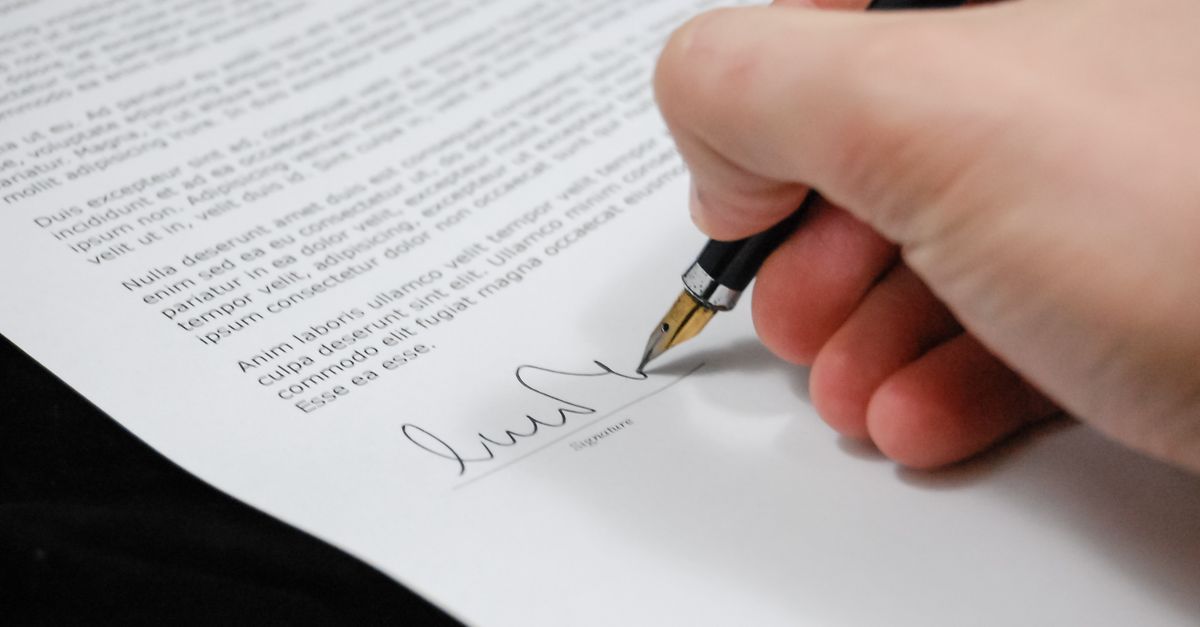
Whether it's a contract, an agreement, or a piece of evidence, "is this document authentic?" really asks two things: is it genuine, and has it been changed since? Here's how authentication works and how to make any alteration provable.
The two parts of authenticity
- Integrity — the document is exactly as it was; nothing added, removed, or edited.
- Provenance — you can show where it came from and when it existed.
Traditional tools cover parts of this: a notary witnesses signing, wet or digital signatures bind a signer to the content, and metadata records dates. But signatures can be disputed, notaries add cost and friction, and metadata is easily edited or stripped.
How hashing makes tampering obvious
A hash (like SHA-256) is a fingerprint of a file. Any change — even a single character — produces a completely different hash. So if you record a document's hash and the hash still matches later, the document is provably unaltered. If it doesn't match, something changed.
Add a date you can't fake
Integrity is only half the story; you also want to prove when the document existed. A blockchain timestamp records the document's hash on a public ledger that can't be back-dated. Together, the hash and the timestamp prove the document existed in this exact form on this date.
Because only the hash is published, the document stays private — yet anyone can later verify it by re-hashing their copy and comparing. With BlockchainSign the hash is computed in your browser, recorded on Ethereum, and returned as a lifetime certificate you can verify on Etherscan.
When you'd use this
Contracts and agreements, signed forms, audit and compliance records, research data, and anything you might need to defend as genuine and unchanged later. Timestamp it when it's finalized.