Design Freeze Records Before Filing
By BlockchainSignPublished
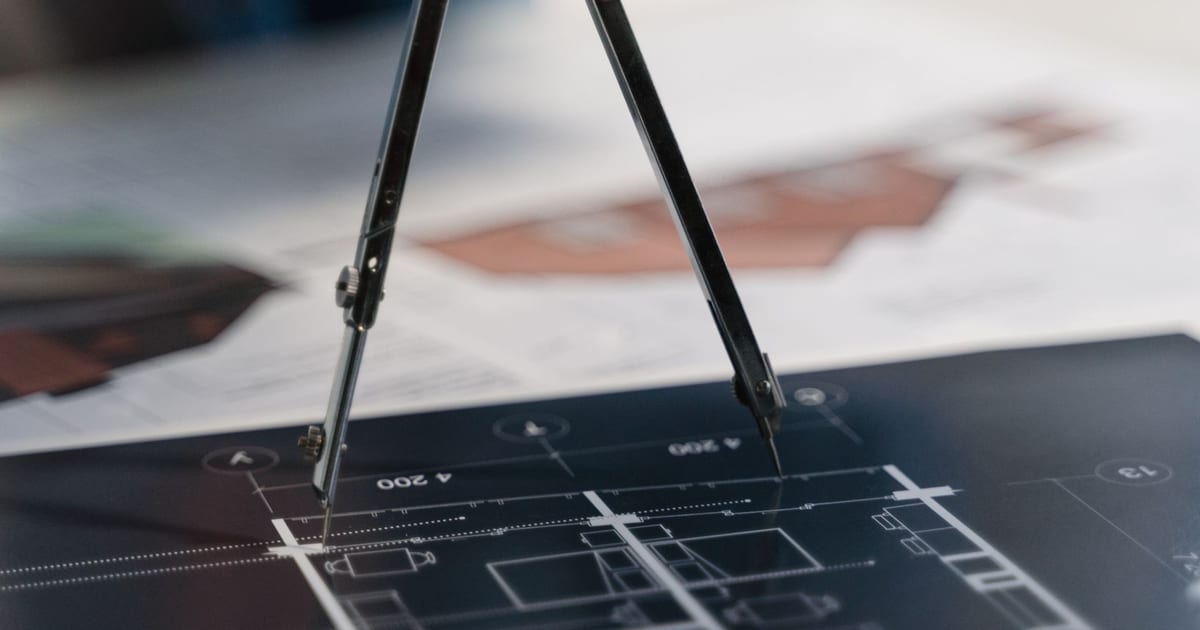
Every patent has a period before it existed, when the invention was real and the paperwork was not. That gap is usually months, occasionally years, and it is almost always the least documented part of the process.
Why the gap matters
Three things happen in it.
You show people. A prospective customer, a manufacturer, a distributor, a component supplier, a conference audience. Each is a disclosure, and each is a point at which someone else acquires knowledge of your design.
You iterate. The design at the moment of filing is not the design you had three months earlier. If a dispute later concerns an earlier version, the filing does not describe it.
You decide what not to file. Most design work never becomes an application. Those designs have no registered protection at all, and their only evidence is whatever record you kept.
The disclosure deadline nobody mentions until it is too late
In the US, your own disclosure starts a one-year grace period in which you can still file.
Most other jurisdictions have no grace period. A public disclosure before filing destroys novelty there, permanently. Showing a design at a trade show before filing can end European and much of Asian protection while leaving the US route open — which is a very expensive surprise to receive afterwards.
None of this is changed by a timestamp. What a timestamp does is document what you disclosed and when, which is exactly the question that arises when someone is later reconstructing whether a grace period applies and to what.
What to record
| When | What | Why |
|---|---|---|
| Concept settled | Sketches, first CAD, calculations | The earliest artefact is the most valuable |
| Each significant revision | The assembly and drawing set | A sequence shows development, not just possession |
| Before every disclosure | The exact package you are sending | Fixes what went out |
| Design freeze | The released revision | Ends argument about which version was "the" one |
| Invention disclosure written | The disclosure document | Supports the conception date |
The sequence matters more than any single entry. One dated file shows possession. A run of dated files over six months shows a design being developed, which is a considerably harder thing to fabricate and a considerably better story.
Why the file must not be uploaded
This is the constraint that rules out most options.
A pre-filing design is unpublished by definition, and often the whole point is that nobody has seen it. A deposit service archives it. A notary sees it. An escrow agent takes custody. Each of those is a disclosure event that has to be analysed.
Hashing avoids the question entirely. The file is fingerprinted on your own machine and only the 64-character SHA-256 hash is transmitted. A hash is a one-way function — there is no route back to the design from it, and it reveals nothing about the contents. Nothing is disclosed to anyone, so there is nothing to analyse.
What it is worth, honestly
A dated record that a specific file existed and has not changed. That is supporting evidence.
It is not a patent application, it does not establish inventorship, and it changes no deadline. Anyone selling a timestamp as a substitute for filing is selling something that does not exist — see proof of existence vs proof of authorship.
What it does well is fill the gap the filing cannot cover: the work before it, the versions that were not claimed, and the record of what was shown to whom.
For the practical workflow, see blockchain timestamping for engineering firms and how to timestamp design files.
General information, not legal advice. Filing deadlines are unforgiving and worth professional input.